
How Steam Trains Work – Engineering Behind the Classics
A practical guide to steam train mechanics and the technology that inspired modern train games.
Steam locomotives are where railway engineering truly began. Long before electric motors and digital control systems, steam trains proved that raw mechanical power could move people and cargo across continents.
Understanding how steam trains work is not only a journey into history, but also into the foundations of modern locomotive technology. These principles still influence today’s train simulator, railway game, and train station simulator experiences.
Let’s explore the engineering behind these classics and see why steam locomotives still fascinate train lovers around the world.
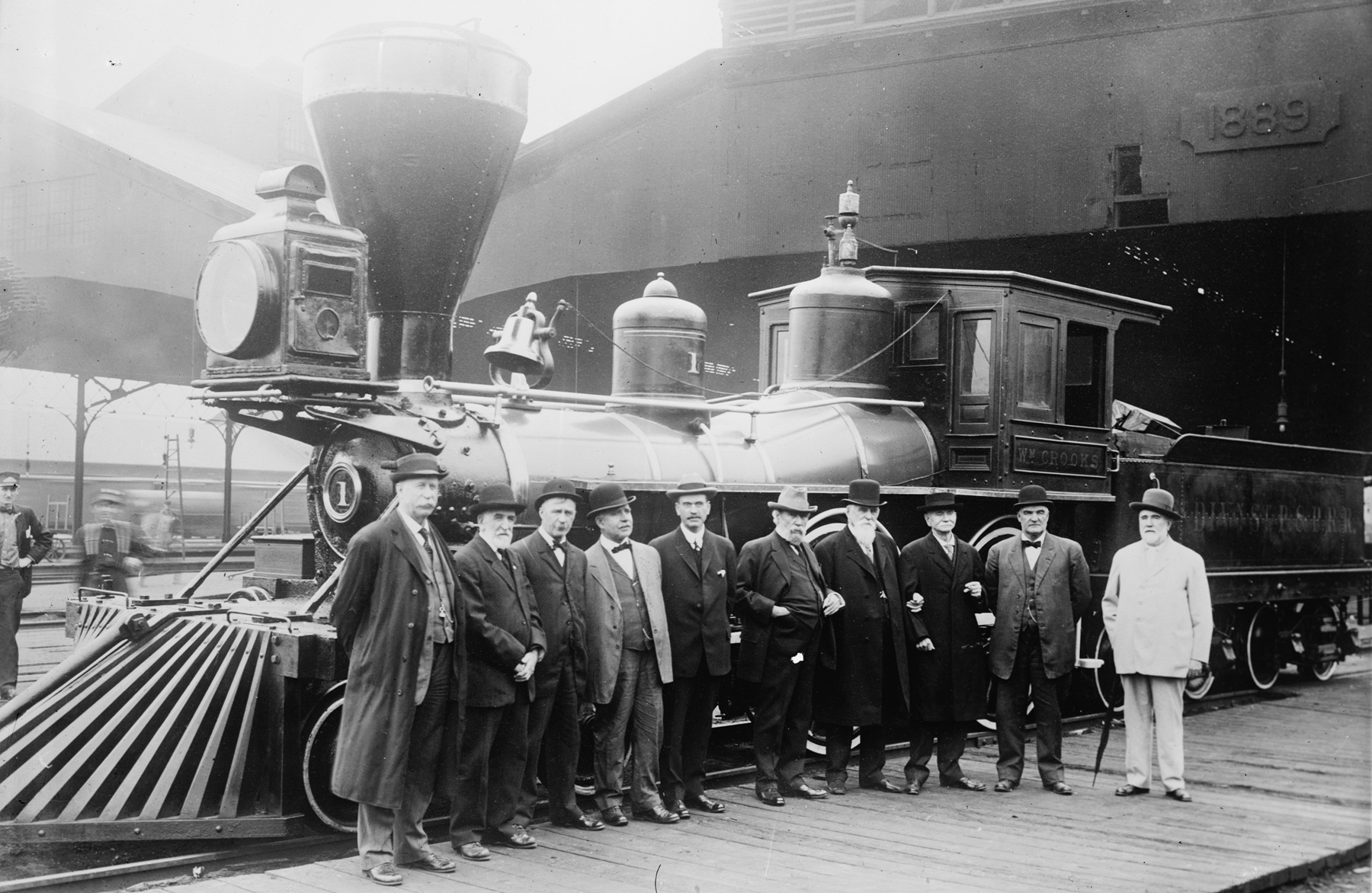
Historic photo of the William Crooks steam locomotive from the early 20th century.
The Basic Principle – How Steam Trains Work
At its core, a steam locomotive is a heat engine that converts fuel into motion.
The process works in four main steps:
-
Fuel is burned (coal, wood, or oil) in the firebox
-
Heat turns water in the boiler into high-pressure steam
-
Steam pushes pistons inside cylinders
-
Pistons turn wheels through connecting rods
This simple but powerful system defined early locomotive technology and became the blueprint for rail transport for more than a century.
For fans of train games online, this same process is often simulated through fuel management, speed control, and maintenance mechanics.
Boiler and Firebox – The Heart of Steam Train Mechanics
The boiler is the locomotive’s powerhouse. It holds water that is heated until it becomes pressurized steam.
Key engineering features:
-
Firebox lined with heat-resistant brick
-
Water-filled boiler shell
-
Safety valves to release excess pressure
-
Smoke tubes that increase heating efficiency
Efficient boiler design was one of the greatest engineering challenges in railway history. Improvements in boiler technology allowed steam trains to pull heavier loads and travel farther.
In a modern train game, these systems translate into resource management—balancing fuel, speed, and reliability just like real engineers once did.
Cylinders and Pistons – Turning Steam into Motion
Steam from the boiler is directed into cylinders where it pushes pistons back and forth. These pistons are connected to large driving wheels by metal rods.
Why this matters:
-
Converts pressure into rotational force
-
Controls speed and direction
-
Defines the locomotive’s pulling power
This mechanical choreography is one of the reasons steam locomotives remain so visually impressive. Every movement is visible, making them perfect icons in train simulator online experiences and railroad games.
The Valve Gear – The Brain of the Steam Engine
Valve gear controls when steam enters and exits the cylinders. Famous systems like Stephenson or Walschaerts valve gear allowed precise timing and smoother operation.
Main functions:
-
Regulates steam flow
-
Controls speed
-
Allows forward and reverse movement
-
Improves fuel efficiency
In today’s train station management and rail game simulations, valve timing becomes part of performance optimization—mirroring the decisions real train crews once made.
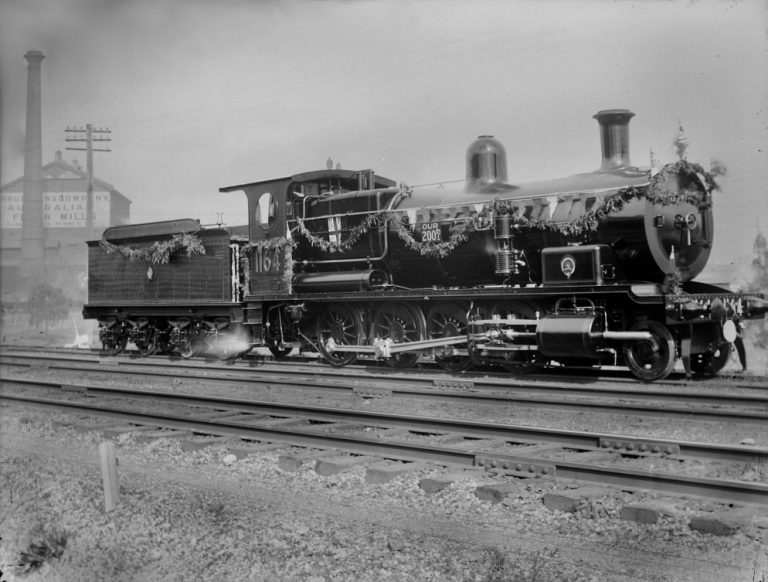
Historical photo of a Clyde works steam locomotive from early 20th century.
Wheels and Traction – Power Meets the Rails
Steam locomotives use large driving wheels for traction and smaller leading wheels for stability.
Wheel arrangements (like 4-6-2 or 2-8-0) determined:
-
Speed capability
-
Load capacity
-
Track stability
These configurations are still referenced in train games, where different locomotives perform better on different routes and gradients.
Why Steam Locomotive Technology Still Matters
Steam locomotives taught engineers how to:
-
Control pressure and heat
-
Build large mechanical systems
-
Design safe transport machines
-
Maintain complex moving parts
These lessons shaped modern diesel and electric trains—and also shape how train simulator and train games online model realistic behavior.
Steam trains are the foundation of everything that came after.
Steam Trains and the World of Train Games
For many players, their first encounter with steam train mechanics is not in a museum, but in a train game free or a detailed train simulator online free experience.
Games like TrainStation 2 and TrainStation 3: Journey of Steel allow players to:
-
Collect legendary steam locomotives
-
Manage fuel and routes
-
Build efficient rail networks
-
Experience classic locomotive technology digitally
This is where history meets modern entertainment and strategy.
Conclusion – From Steam Engineering to TrainStation by Pixel Federation
Understanding how steam trains work is about more than nostalgia. It’s about appreciating the engineering that built the railway world and inspired generations of train enthusiasts.
Today, that legacy continues in mobile train games and simulations that let players experience classic steam train mechanics in a modern way. If you enjoy learning how locomotives function and applying that knowledge in strategy gameplay, pixelfederation trainstation brings railway history to life through TrainStation 2 and TrainStation 3.
Whether you prefer a relaxed train game or a deeper train station simulator, steam locomotive technology remains the beating heart of railway adventure.
See you on the tracks.