
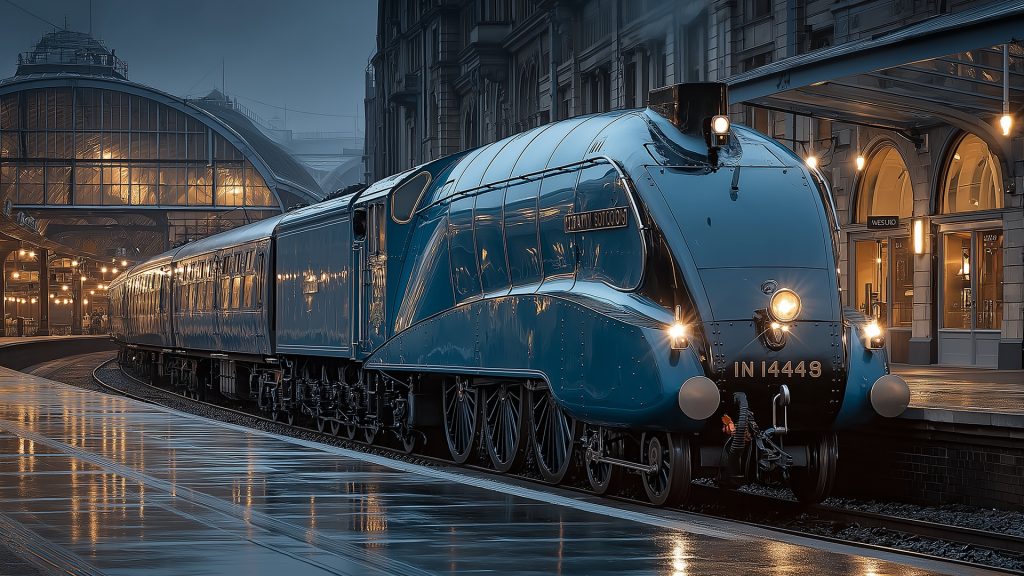
Fastest Steam Locomotive in the World – Speed Records
Steam locomotives are often associated with power and nostalgia – but they were also built for speed. In the golden age of railways, engineers pushed steam technology to its limits, competing to create the fastest steam locomotive ever seen on the rails.
In this article, we explore the world record holder, its historic achievement, and the other steam legends that came close. For train enthusiasts and fans of train games, this is where engineering meets pure speed.
The Fastest Steam Locomotive – LNER Class A4 Mallard
The title of the fastest steam locomotive in the world belongs to the legendary LNER Class A4 Mallard.
Did You Know? – Mallard’s Record Was Risky:
Mallard’s record-breaking run pushed the locomotive beyond safe operating limits. The extreme speed caused overheating in key components, and the engine required repairs immediately after the attempt.
World Record
- Speed: 202.8 km/h (126 mph)
- Date: July 3, 1938
- Location: Stoke Bank, United Kingdom
Mallard’s record still stands today, making it one of the greatest engineering achievements in railway history.
Why Mallard Was So Fast
Mallard wasn’t just powerful – it was intelligently designed for speed.
Key engineering features:
- Streamlined aerodynamic casing
- 4-6-2 “Pacific” wheel arrangement
- High-pressure boiler
- Three-cylinder configuration
- Large driving wheels for high-speed stability
The locomotive was designed by Sir Nigel Gresley, who understood that airflow and efficiency were just as important as raw power.
For fans of train simulator experiences, Mallard represents the perfect balance between speed, control, and engineering precision.
A Brief History of Steam Speed Records
Before Mallard, several locomotives competed for the title of fastest steam train. The 1930s became a golden era of speed trials, especially in the UK and Germany.
Railways were not just transport systems – they were symbols of national pride. Speed records demonstrated technological superiority, much like modern high-speed trains today.
The Other Fastest Steam Locomotives
While Mallard holds the official record, several other steam locomotives came remarkably close.
DRG Class 05 – Germany’s Streamlined Speed Machine
- Recorded speed: 200.4 km/h (124.5 mph)
- Year: 1936
The German DRG Class 05 was one of the most advanced steam locomotives ever built. Fully streamlined and designed for speed, it briefly held the world record before Mallard surpassed it.
Did You Know? – Germany Tried Cab-Forward Steam:
One version of the DRG Class 05 had a cab at the front of the locomotive, giving the driver better visibility at high speeds—an unusual design rarely used in Europe.
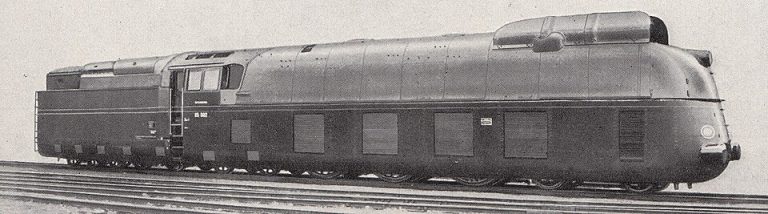
Der neue Brockhaus, Leipzig 1938, Copyright 1936 by F. A. Brockhaus, Leipzig
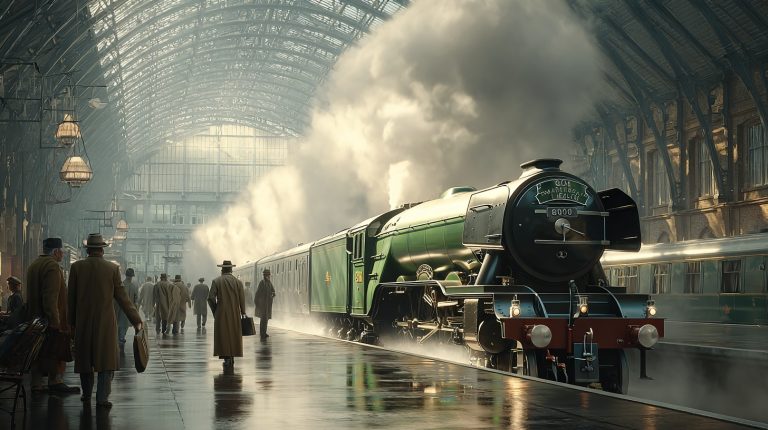
LNER Class A3 Flying Scotsman – The First at 100 mph
- Recorded speed: 160 km/h (100 mph)
- Year: 1934
The Flying Scotsman became the first steam locomotive officially recorded reaching 100 mph. While not as fast as Mallard, it remains one of the most famous trains in the world.
Did You Know? – Flying Scotsman Changed Crew Operations:
The Flying Scotsman used a corridor tender, allowing crew members to swap shifts while the train was still moving—no stops needed.
Milwaukee Road Class F7 “Hudson” – American Speed and Style
- Estimated speed: ~201 km/h (125 mph)
- Year: 1930s
Did You Know? – Speed vs Maintenance Trade-Off:
Many streamlined steam locomotives, like the Milwaukee Road F7, later had their aerodynamic covers removed because they made maintenance too complex and expensive.
New York Central J3a “Hudson” – Speed Meets Reliability
- Estimated speed: ~193 km/h (120 mph)
Did You Know? – Speed Isn’t Everything:
The New York Central Hudson locomotives were designed not just for top speed, but for consistent high-speed operation, which was far more valuable for railroad schedules.
Why Steam Locomotive Speed Still Fascinates Us
Even today, the idea of a steam locomotive reaching over 200 km/h feels almost unbelievable.
Steam trains required:
- Precise engineering
- Perfect track conditions
- Skilled crews
- Careful balance between power and safety
These challenges make their achievements even more impressive – and explain why they are still featured in modern train simulator and railway game experiences.
From Speed Records to TrainStation Games
For many enthusiasts, experiencing steam locomotive speed today happens through train games online.
In TrainStation 2 and TrainStation 3: Journey of Steel, players can collect legendary steam locomotives and build high-performance rail networks. Whether you enjoy a strategic rail game, a detailed train station simulator, or a casual mobile train game, these experiences are inspired by real engineering achievements like Mallard’s record run.
It’s where history meets gameplay – and where speed still matters.
>> PLAY TrainStation 3: Journey of Steel <<
>> PLAY TrainStation 2 <<
Conclusion – The Legacy of Speed in Steam
The race to build the fastest steam locomotive pushed railway engineering to its limits. From Mallard’s record-breaking run to the powerful machines of Germany and the United States, these locomotives proved what steam technology could achieve.
Today, their legacy lives on – not just in museums, but in the passion of railfans and the worlds we build in modern train games.
Because in railways, speed is more than numbers.
It’s history in motion.
Follow TrainStation Games:
YouTube Channel: https://www.youtube.com/@TrainStation-Games
Facebook: https://www.facebook.com/TrainStation
Instagram: https://www.instagram.com/trainstationgames
Discord: https://discord.gg/cse2scNDXj
WhatsApp Channel: https://www.whatsapp.com/channel/0029VanaBFD2UPBLuQqWR82q