
The Future of Rail - Hydrogen, Hybrid, and Autonomous Trains
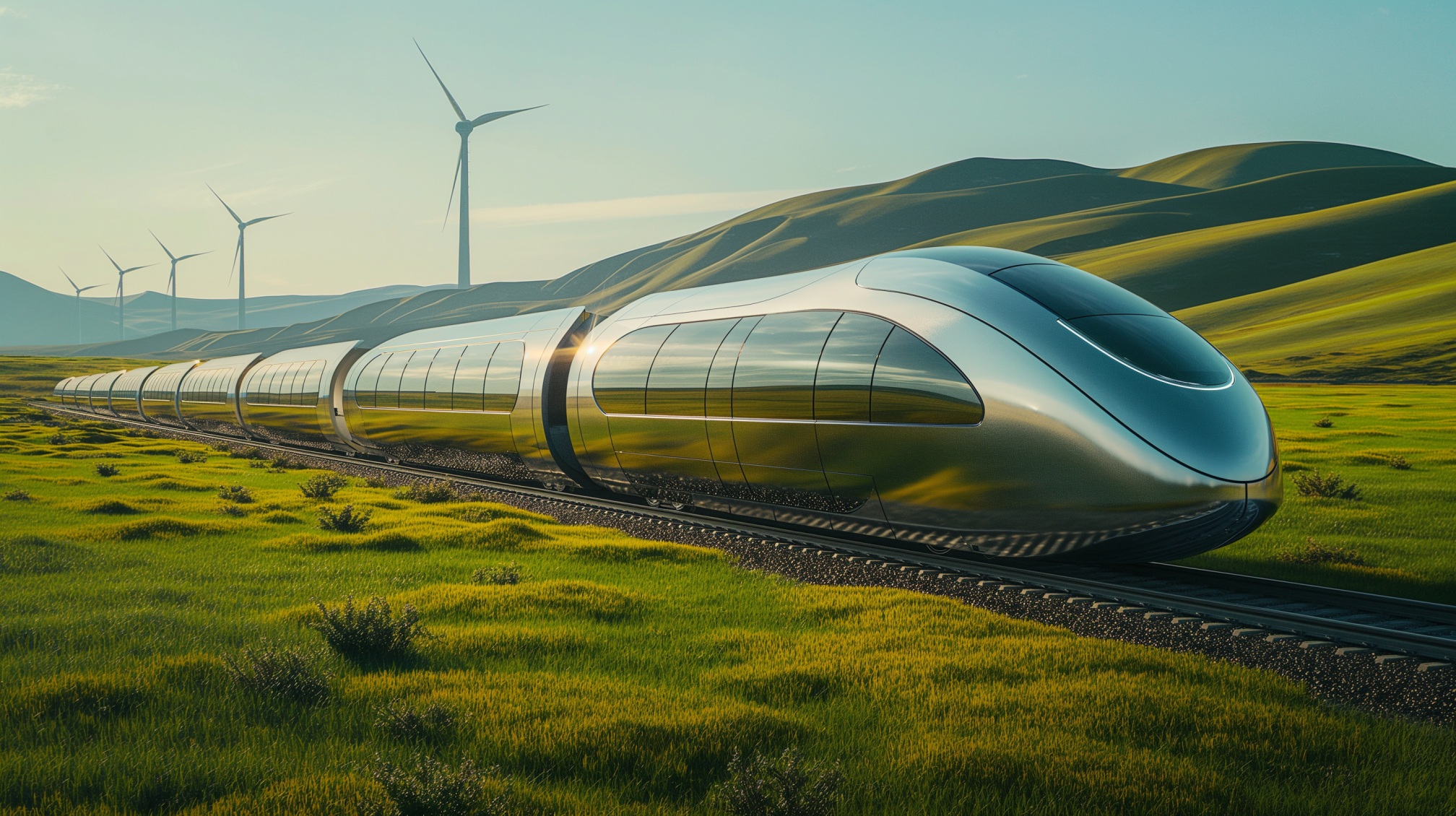
Railways have always evolved alongside technology. From steam to diesel to electric traction, each era brought new ways to move people and goods more efficiently. Today, the rail industry is exploring another major shift – one driven by sustainability, energy efficiency, and digital systems. Hydrogen-powered trains, hybrid traction, and autonomous technologies are no longer concepts on paper, but real-world projects shaping the next chapter of rail transport.
In this article, we take a grounded look at the most advanced eco-friendly trains currently in development or early service, how they work, their real advantages and limitations, and what railways and train stations could realistically look like 20 years from now.
Alstom Coradia iLint – Hydrogen Fuel Cell Train (Germany)
The Alstom Coradia iLint is one of the world’s first hydrogen fuel-cell passenger trains to enter regular commercial service. Designed for regional routes, it offers an alternative to diesel traction on non-electrified lines.
How it works
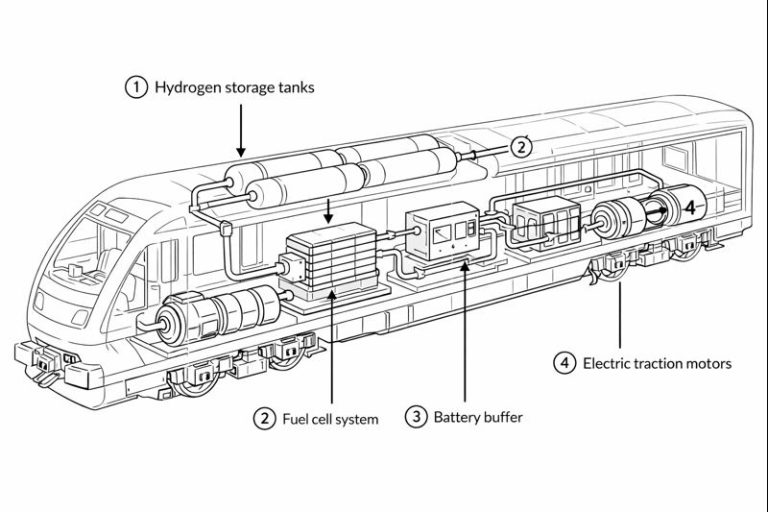
Hydrogen stored in roof-mounted tanks is combined with oxygen from the air inside fuel cells to generate electricity. This electricity powers the traction motors, while onboard batteries store recovered braking energy and support peak power demands. The only direct byproduct of this process is water vapor.

Pros
-
Zero emissions at the point of use
-
Significantly quieter than diesel multiple units
-
Suitable for existing non-electrified regional routes
Cons
-
Hydrogen production must be renewable to achieve true climate benefits
-
Requires new refueling and maintenance infrastructure
-
Higher upfront costs compared to conventional diesel units
The iLint shows that hydrogen traction is technically viable today, especially for regional services where full electrification is impractical.
HydroFLEX – Hydrogen Hybrid Prototype (United Kingdom)
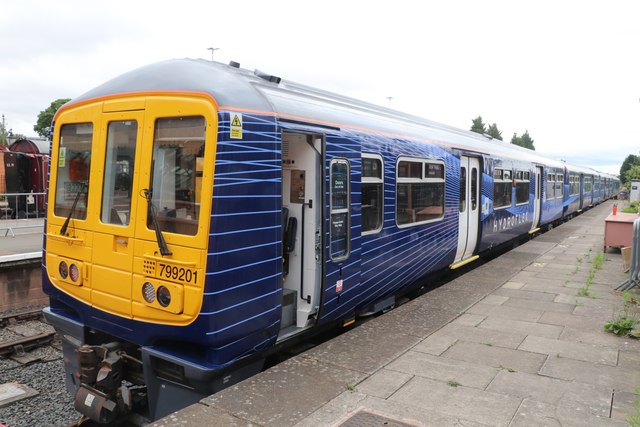
Photo by Wikimedia Commons contributors
The HydroFLEX project demonstrates a different approach to hydrogen rail technology. Instead of building a train from scratch, an existing electric multiple unit was converted to operate using hydrogen fuel cells and batteries.
How it works
Fuel cells generate electricity from hydrogen, while batteries smooth power delivery and store regenerative braking energy. The system is designed to complement, not replace, existing electric traction systems.
Pros
-
Reuses existing rolling stock
-
Offers a lower-emission option for partially electrified routes
-
Demonstrates retrofit potential rather than full replacement
Cons
-
Experimental prototype, not in commercial passenger service
-
Increased system complexity
-
Limited operational data so far
HydroFLEX is best seen as a technology demonstrator, proving that hydrogen can be integrated into existing rail vehicles rather than a ready-made fleet solution.
JR East FV-E991 “HYBARI” – Hydrogen Test Train (Japan)
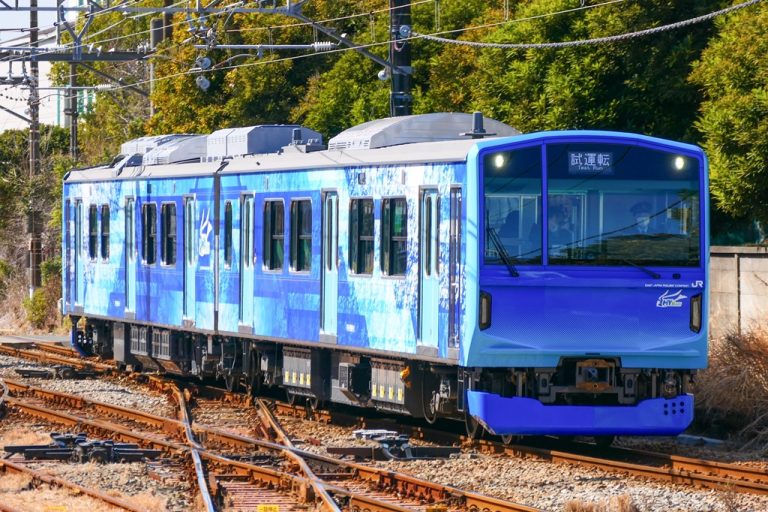
Photo: JR East FV-E991 test train “HYBARI” by MaedaAkihiko (CC0) via Wikimedia Commons
Japan’s FV-E991 series, nicknamed HYBARI, is a hydrogen fuel-cell electric multiple unit developed by JR East strictly as a test platform. It represents Japan’s cautious, data-driven approach to new rail technologies.
How it works
HYBARI combines hydrogen fuel cells with high-capacity batteries and regenerative braking. It allows engineers to study energy efficiency, cold-weather performance, vibration, and long-term durability of hydrogen systems under real operating conditions.
Pros
-
Advanced research platform for hydrogen rail technology
-
Designed for detailed performance evaluation
-
Supports Japan’s long-term decarbonization goals
Cons
-
Not intended for commercial passenger service
-
Limited to testing and data collection
-
Infrastructure requirements remain unresolved
HYBARI’s role is not immediate deployment, but gathering the data needed to decide whether hydrogen trains make sense for Japan’s regional railways in the future.
Hydrogen Fuel Cell Trams – Urban Rail Innovation
Hydrogen technology is also being explored in light rail and tram systems, particularly where overhead wiring is undesirable or costly. Manufacturers such as Hyundai Rotem have presented hydrogen-powered tram concepts and prototypes at major rail exhibitions.
How it works
Hydrogen fuel cells generate electricity for traction motors, with batteries supporting acceleration and energy recovery. These systems aim to provide clean, quiet operation in dense urban environments.
Pros
-
Zero local emissions
-
Reduced noise in city centers
-
No need for overhead catenary infrastructure
Cons
-
Lower energy capacity compared to heavy rail
-
Hydrogen storage space constraints
-
Early-stage deployment
Hydrogen trams remain an emerging solution, but they highlight how alternative energy could reshape urban rail networks.
Hydrogen, Hybrid, and Autonomous Rail – Pros and Cons
Key advantages
-
Reduced reliance on diesel fuel
-
Lower emissions on non-electrified routes
-
Quieter operation and improved passenger comfort
-
Flexibility where electrification is not feasible
Key challenges
-
Hydrogen production and distribution infrastructure
-
Higher costs compared to mature technologies
-
Energy losses if hydrogen is not produced renewably
-
Regulatory and safety approval timelines
None of these technologies are universal solutions, but each addresses specific operational needs within modern rail systems.
The Future of Rail – What the Next 20 Years May Bring
Over the next two decades, railways are likely to evolve gradually rather than through sudden disruption.
-
Selective hydrogen deployment on regional and rural lines
-
Expanded hybrid systems combining batteries, fuel cells, and electrification
-
Increased automation through driver-assist systems, predictive maintenance, and centralized traffic control
-
Data-driven operations using AI for scheduling, diagnostics, and energy optimization
Fully autonomous mainline passenger trains are unlikely to become widespread quickly, but automation will continue to support safety and efficiency behind the scenes.
How Train Stations Could Change
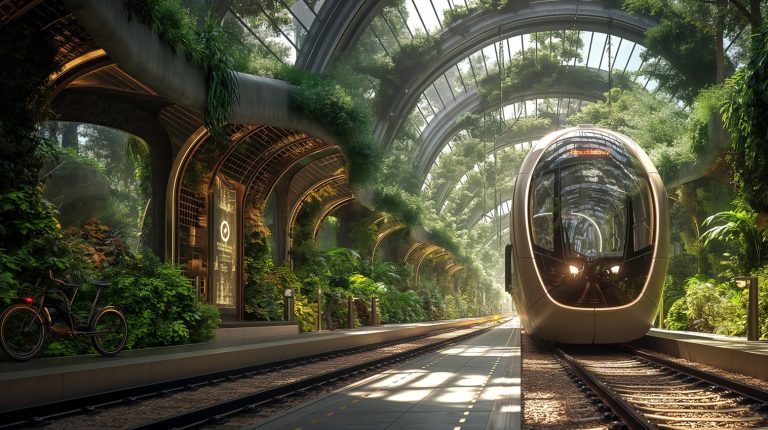
Future train stations may shift from simple boarding points to integrated mobility hubs.
-
Multi-modal connections linking trains, autonomous shuttles, bikes, and local transit
-
Energy-efficient buildings with solar panels, energy storage, and smart climate systems
-
Digital services such as real-time navigation, predictive delays, and contactless access
-
Dedicated infrastructure for alternative fuels and next-generation rolling stock
Stations will increasingly reflect sustainability goals while remaining places where rail history and innovation meet.
Play the TrainStation Games – Where Railway Technology Meets Strategy
If the future of rail technology — from hydrogen and hybrid traction to autonomous systems — gets your engineer’s heart racing, you’ll love putting those ideas into action. In TrainStation 2 and TrainStation 3: Journey of Steel, players blend strategy with real-world railway innovation in one immersive train game experience.
These online train games let you explore sustainable rail networks, manage routes, and optimize fleets — just like modern railway planners do in real life. Whether you’re into train simulator features or the satisfaction of building efficient networks, pixelfederation trainstation brings the future of rail to your fingertips.
👉 Stay connected with the TrainStation community on Facebook TrainStation Games, Instagram, YouTube or WhatsApp Updates, where rail enthusiasts, builders, and virtual train conductors share their love for trains every day.
Final Thoughts from a Train Lover
The future of rail is not about replacing everything that works, but improving it step by step. Hydrogen, hybrid, and autonomous technologies show how railways can stay relevant, efficient, and environmentally responsible without losing the reliability that makes trains special.