
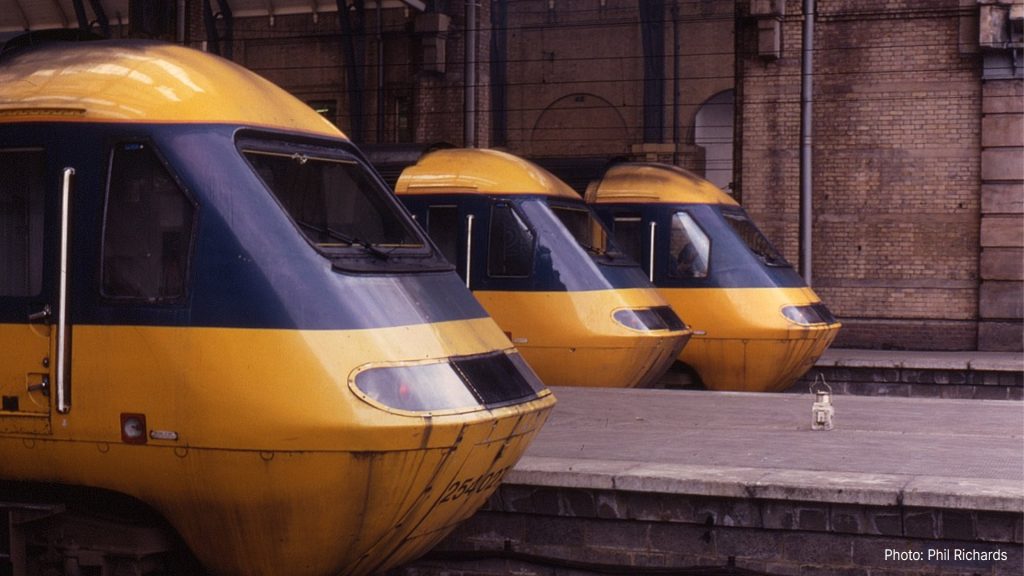
Intercity 125 – The British Speed Legend | Iron Icons Episode #2
The world of railways is full of engineering milestones, but only a few trains truly change how people travel. The Intercity 125, also known as the High Speed Train (HST), is one of those rare icons.
In the latest episode of our Iron Icons series, we take a closer look at this British legend – a train that redefined speed, comfort, and reliability, and continues to inspire railway fans and modern train games alike.
What Is Iron Icons?
Iron Icons is our ongoing video series dedicated to legendary locomotives and trains that shaped railway history. These are the machines that inspire what we build in our trainstation universe – from TrainStation 2 to TrainStation 3: Journey of Steel
It’s not just about nostalgia. It’s about understanding how real trains work, why they were built, and what made them unforgettable.
Intercity 125 – A Breakthrough in Locomotive Technology
Launched in 1976, the Intercity 125 arrived at a time when British Rail needed a fast and reliable solution for long-distance travel.
Instead of experimenting with complex systems, engineers focused on proven locomotive technology. The result was a diesel-powered train that delivered high-speed performance without the need for full electrification.
And it worked.
The HST quickly became the backbone of British long-distance rail travel, setting new standards across the network.
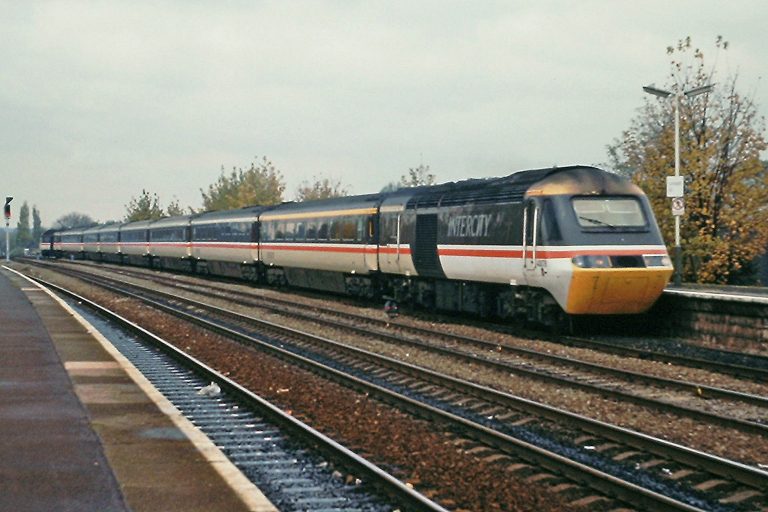
Photo:Rob Hodgkins
Engineering That Defined an Era
The Intercity 125 wasn’t just fast – it was intelligently designed.
Key technical highlights:
-
Two Class 43 power cars (front and rear)
-
Paxman Valenta engines
-
Combined output of 4,500 horsepower
-
Top service speed: 125 mph (201 km/h)
-
Record speed: 148 mph (fastest diesel train in the world)
This push-pull configuration delivered strong acceleration, high reliability, and smooth operation.
For fans of train simulator experiences, this setup represents the perfect balance between power and control – something that still defines many modern railway game mechanics.
Design That Made It Iconic
The Intercity 125 is instantly recognizable thanks to its aerodynamic nose.
Originally, the design was much more conventional. But industrial designer Kenneth Grange reshaped it into the sleek, wedge-shaped front we know today.
The result:
-
Improved aerodynamics
-
Enhanced safety
-
A futuristic look that defined British rail travel
Combined with the iconic yellow front and classic British Rail liveries, the HST became a visual symbol of speed and progress.
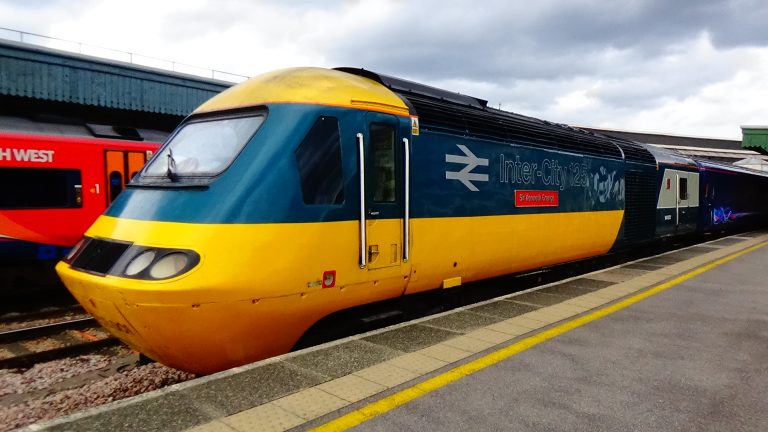
Photo: Adam Bryant
Passenger Comfort and Innovation
Beyond speed, the HST revolutionized passenger experience.
The Mark 3 coaches introduced:
-
Advanced suspension systems
-
Reduced noise levels
-
Improved ride smoothness
-
Higher comfort standards
These innovations made long-distance travel faster and more enjoyable – something that modern train station simulator and online train games try to capture through realistic passenger systems.
From Real Rails to TrainStation Games
Legendary trains like the Intercity 125 don’t just belong to history – they live on in modern train games online.
In TrainStation 2 and TrainStation 3: Journey of Steel, players can collect and operate iconic trains inspired by real-world engineering. Whether you enjoy a strategic rail game, a detailed train simulator, or a relaxing mobile train game, these experiences are built on the same principles that made trains like the HST so successful.
That’s what Iron Icons is about:
Connecting real railway engineering with the worlds we build in our games.
Conclusion
The Intercity 125 proved that smart engineering can outperform complexity. With its combination of speed, comfort, and reliability, it became one of the most successful trains in railway history.
And for us, it’s one of the machines that continues to inspire everything we create – from detailed locomotives to immersive trainstation gameplay.
Don’t miss the 1st episode of Iron Icons:
Follow TrainStation Games:
YouTube Channel: https://www.youtube.com/@TrainStation-Games
Facebook: https://www.facebook.com/TrainStation
Instagram: https://www.instagram.com/trainstationgames
Discord: https://discord.gg/cse2scNDXj
WhatsApp Channel: https://www.whatsapp.com/channel/0029VanaBFD2UPBLuQqWR82q